
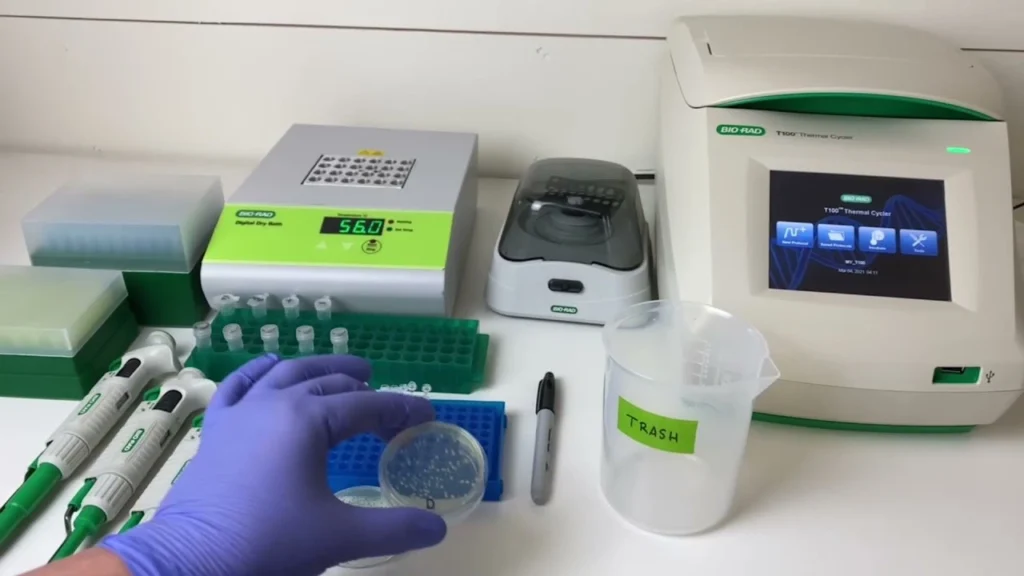

CRISPR, the revolutionary benefits of which earned it the Nobel Prize in Chemistry in 2020, has transformed how we approach genetic engineering and disease treatment. This remarkable “genetic scissors” technology opens up possibilities that were once confined to science fiction.
Despite its immense potential, only 89 clinical trials using CRISPR technology were underway as of January 2024. However, these trials represent just the beginning of what CRISPR can accomplish. From the world-first success at cutting HIV from infected cells to treating conditions like blindness and cancer, CRISPR in medicine is proving to be a game-changer. Furthermore, prime editing, an advanced form of CRISPR, is predicted to address up to 89% of genetic mutations in humans.
In this article, we’ll explore the wide-ranging benefits of gene editing through CRISPR that extend beyond the commonly discussed applications. We’ll examine how this technology is revolutionizing not just medicine, but also agriculture, diagnostics, and other emerging fields that could fundamentally change our world for the better.
CRISPR in medicine: more than just gene therapy
While gene therapy remains a cornerstone of CRISPR applications, the technology’s medical benefits extend far beyond simple genetic modifications. CRISPR’s versatility opens up unprecedented opportunities for treating conditions once considered untreatable.
Treating rare genetic disorders
CRISPR technology has created a pathway for developing customized treatments for rare diseases affecting approximately 3.5–5.9% of the global population (263–446 million people). In a groundbreaking achievement, physicians at Children’s Hospital of Philadelphia successfully treated an infant with severe carbamoyl phosphate synthetase 1 (CPS1) deficiency—a rare metabolic disease—using personalized CRISPR gene editing. This landmark case involved designing a base editing therapy delivered via lipid nanoparticles to the liver, allowing the child to tolerate increased dietary protein with reduced medication needs.
Fighting infectious diseases like HIV and COVID-19
CRISPR’s potential in combating viral infections represents another significant breakthrough. The first in-human trial of a CRISPR Cas system delivered by adeno-associated virus 9 gene therapy to treat HIV (EBT-101) has shown promising safety results. Additionally, researchers at Northwestern Medicine are using new CRISPR techniques to identify 86 genes that may play roles in HIV replication, including over 40 previously unexamined in the context of HIV infection.
During the COVID-19 pandemic, CRISPR accelerated both the search for novel drug targets and the repurposing of existing drugs. For instance, CRISPR knockout studies identified fatty acid synthase (FASN) as critical for SARS-CoV-2 infection, suggesting existing FASN inhibitors could prevent infection.
Targeting cancer with personalized T-cell therapy
Perhaps most exciting is CRISPR’s application in cancer immunotherapy. Scientists have developed CancerPAM, a multi-omics bioinformatics pipeline that identifies optimal knock-in sites for pro-inflammatory cytokines, enhancing CAR T cell infiltration and effectiveness against solid tumors. At Memorial Sloan Kettering Cancer Center, researchers are conducting clinical trials using CRISPR-edited CAR T cells to treat diffuse large B cell lymphoma with improved persistence and potency.
Moreover, Parker Institute for Cancer Immunotherapy scientists have created a faster, less expensive method of editing T-cells using CRISPR without viruses, potentially reducing production time from months to weeks—a critical difference for cancer patients.
These advances demonstrate that CRISPR in medicine goes well beyond conventional gene therapy, offering specialized solutions for previously intractable medical challenges.
Read other Articles: How to Create Planet-Friendly Packaging Solutions Your Customers Will Love
Agricultural benefits you didn’t hear about
Beyond its medical applications, CRISPR technology is silently reshaping agriculture in ways that rarely make headlines. The power of precise gene editing offers solutions to some of farming’s most persistent challenges, from climate change to nutritional deficits.
Creating climate-resilient crops
As global temperatures rise, farmers face increasing pressure to produce food under extreme conditions. CRISPR provides elegant solutions by enabling the development of crops that withstand harsh environments.
One remarkable example involves rice—a staple food for over half the world’s population. Scientists have successfully created drought-tolerant rice varieties by editing genes that control water retention and stress response. These modified plants maintain yield even when water becomes scarce, ensuring food security in regions experiencing unpredictable rainfall patterns.
Similarly, researchers have developed wheat varieties that can thrive in higher temperatures by adjusting genes related to photosynthesis efficiency. This advancement could preserve wheat production in regions expected to experience significant warming over the coming decades.
Improving taste and nutrition in vegetables
Contrary to popular belief, gene editing can actually enhance natural food qualities rather than diminish them. CRISPR allows scientists to fine-tune specific traits without introducing foreign DNA.
For instance, tomato researchers have used CRISPR to restore flavors lost during conventional breeding. By tweaking genes controlling sugar content and aromatic compounds, they’ve created varieties with improved taste profiles reminiscent of heirloom tomatoes, yet with the durability of commercial varieties.
Nutritional improvements represent another significant benefit. Scientists have developed mushrooms with enhanced vitamin D content and potatoes with reduced acrylamide formation during cooking—a compound linked to cancer risk when consumed in large quantities.
Reducing pesticide use through disease resistance
Perhaps the most significant environmental benefit comes from CRISPR’s ability to create naturally resistant crops that require fewer chemical treatments.
By editing susceptibility genes, researchers have developed rice varieties resistant to bacterial blight, a disease that typically requires multiple pesticide applications annually. Consequently, these modified plants need significantly less chemical protection, reducing both environmental impact and production costs.
Similarly, work on fungus-resistant wheat and virus-resistant cucumbers demonstrates how targeted genetic modifications can provide natural immunity against pathogens that traditionally necessitate heavy pesticide use.
Disclaimer: While CRISPR offers tremendous agricultural benefits, ongoing research, regulatory oversight, and ethical considerations remain essential as this technology continues to evolve.
CRISPR’s role in diagnostics and disease detection
Beyond the lab and field, CRISPR technology is making remarkable strides in disease detection and diagnostics, offering unprecedented speed and precision in identifying health threats.
Rapid virus detection using CRISPR-based tests
CRISPR-based diagnostic systems like SHERLOCK and DETECTR have emerged as powerful tools for viral detection. These platforms can identify specific RNA or DNA sequences with exceptional sensitivity, enabling rapid diagnosis of infectious diseases. Notably, CRISPR-Cas13 systems have been adapted to detect SARS-CoV-2 RNA with results available in under an hour, compared to traditional PCR tests that often take days.
Detecting antimicrobial resistance genes
The global challenge of antimicrobial resistance has found a formidable opponent in CRISPR diagnostics. These systems can rapidly identify resistance genes in bacterial samples, allowing healthcare providers to prescribe appropriate antibiotics immediately. In fact, CRISPR-based methods can simultaneously screen for multiple resistance markers, potentially saving critical time in treating infections.
Improving accuracy in cancer diagnostics
In oncology, CRISPR diagnostics are enhancing early detection capabilities. The technology enables identification of cancer-specific genetic markers with extraordinary precision, sometimes detecting cancerous mutations present in less than 0.1% of a sample. This heightened sensitivity might lead to earlier intervention and improved patient outcomes.
Disclaimer: While CRISPR offers promising diagnostic applications, these technologies are still undergoing refinement and regulatory approval processes.
Read other Articles: The Beginner’s Guide to Upcycled Furniture Ideas (No Power Tools Needed)
Emerging and overlooked applications of CRISPR
Beyond conventional applications, CRISPR continues to expand into unexpected territories, offering solutions for challenges once deemed insurmountable.
Gene editing in regenerative medicine
CRISPR technology has opened new frontiers in tissue repair and replacement. Scientists are utilizing this tool to enhance stem cell engineering and regenerative medicine by manipulating gene expression without altering DNA sequences. These advances enable researchers to address degenerative diseases through precise modification of cellular function. The technology allows for controlled cell fate manipulation, leading to highly regulated tissue repair and enhanced tissue functions. This approach is especially promising for treating conditions like retinal and muscular degeneration, neural regeneration, and bone regeneration.
CRISPR for RNA editing instead of DNA
Unlike permanent DNA modifications, RNA editing presents a reversible, safer alternative. The CRISPR-Cas13 system targets RNA specifically, allowing temporary gene expression control without changing the genome. This approach is particularly valuable for complex diseases not easily addressed through DNA editing. For instance, researchers have demonstrated VEGFA knockdown of up to 90% using Cas13bt3, showing potential as an anti-VEGF treatment for retinal neovascularization. This technique enables physicians to increase protein production temporarily or silence genes producing toxic products in muscular dystrophies and neurological disorders.
Creating disease-resistant animals
Agricultural applications of CRISPR extend to creating animals with enhanced disease resistance. Scientists have successfully developed influenza-resistant chickens by editing the ANP32A gene. Likewise, researchers have inserted the NRAMP1 gene into cattle to combat tuberculosis. These advancements reduce the need for antibiotics in farming while improving animal welfare. CRISPR can additionally create sterile salmon that grow better and resist diseases while preventing breeding if they escape aquaculture facilities.
Using CRISPR to study evolution and gene function
CRISPR serves as a powerful research tool for understanding fundamental biological processes. By selectively modifying genes, scientists can observe resulting phenotypic changes, illuminating gene function and evolutionary mechanisms. This capability accelerates discovery across diverse fields, from basic science to applied research. Furthermore, CRISPR allows researchers to explore how genetic variations influence species development and adaptation throughout evolutionary history.
Disclaimer: While CRISPR offers unprecedented possibilities, ethical considerations and thorough safety evaluations remain essential as applications continue to evolve.
Conclusion
CRISPR technology stands at the frontier of genetic innovation, extending far beyond the laboratory walls. Throughout this article, we’ve explored how this Nobel Prize-winning “genetic scissors” transcends conventional medical applications. Certainly, its ability to treat rare genetic disorders, fight infectious diseases, and target cancer with precision represents just the beginning of its potential.
Additionally, CRISPR silently transforms agriculture by creating climate-resilient crops, enhancing taste and nutrition, and reducing pesticide dependency through naturally resistant plants. The diagnostic capabilities further showcase its versatility, offering rapid virus detection, antimicrobial resistance identification, and improved cancer diagnostics with unprecedented accuracy.
Therefore, as we look toward the future, emerging applications such as regenerative medicine, RNA editing, disease-resistant animal creation, and evolutionary research continue to expand CRISPR’s horizons. These developments signal not just scientific achievement but practical solutions to some of humanity’s most pressing challenges.
Despite these remarkable advances, we must acknowledge that CRISPR technology continues to evolve. Ethical considerations, thorough safety evaluations, and regulatory frameworks remain essential companions on this journey of genetic innovation. The transformative power of CRISPR ultimately lies not just in what it can do, but in how responsibly we choose to apply it across medicine, agriculture, and beyond.
FAQs
Q1. What are some unexpected applications of CRISPR technology? CRISPR has applications beyond medicine, including creating climate-resilient crops, improving food taste and nutrition, developing disease-resistant animals, and enhancing our understanding of evolution through gene function studies.
Q2. How is CRISPR being used to combat infectious diseases? CRISPR is being used to develop treatments for HIV, identify genes involved in viral replication, and accelerate drug discovery for diseases like COVID-19. It has also shown promise in creating rapid diagnostic tests for various infectious diseases.
Q3. Can CRISPR help in cancer treatment? Yes, CRISPR is being used to develop personalized T-cell therapies for cancer treatment. It’s helping create more effective CAR T cells for targeting solid tumors and improving their persistence and potency in treating certain types of lymphoma.
Q4. What are the agricultural benefits of CRISPR? CRISPR is helping create drought-tolerant crops, improve the taste and nutritional value of vegetables, and develop plants with natural disease resistance, potentially reducing the need for pesticides in farming.
Q5. How is CRISPR improving disease diagnostics? CRISPR-based diagnostic systems can rapidly detect viruses like SARS-CoV-2, identify antimicrobial resistance genes, and improve cancer detection by identifying specific genetic markers with high precision, potentially leading to earlier interventions and better patient outcomes.
Disclaimer
While CRISPR technology offers tremendous benefits across multiple fields, ongoing research, regulatory oversight, and ethical considerations remain essential as applications continue to develop. This article provides information for educational purposes only and does not constitute medical or scientific advice.