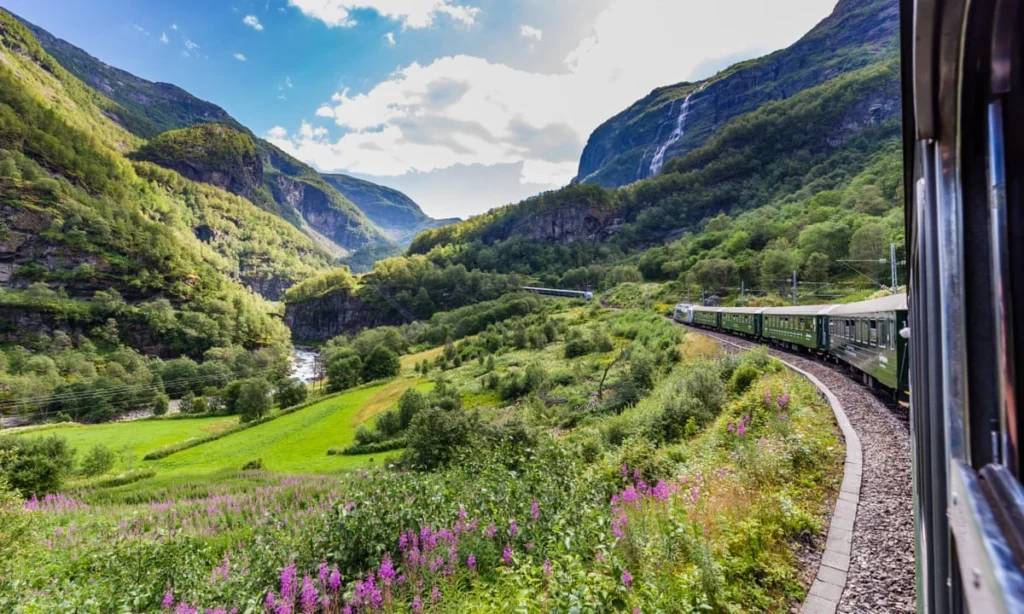

Planning a 2 week europe trip doesn’t mean you have to sacrifice scenic beauty for efficiency. Some of Europe’s most stunning landscapes appear between capital cities, where rail journeys and river routes transform transit time into memorable experiences. Take the Vienna to Bratislava boat journey, for example, which covers just 60 kilometers, the shortest capital-to-capital route in Europe. The 75-minute cruise along the Danube offers views of Devin Castle and dramatic river landscapes.
In this guide, I’ll share the best scenic routes to incorporate into your 2 week europe trip itinerary, including how to build a logical europe itinerary that maximizes both sightseeing and transportation experiences. Whether you’re crafting the best two week europe itinerary or condensing plans into a europe itinerary 10 days format, these 2 week europe trip ideas will help you discover that the journey itself can be just as rewarding as the destinations.
Best Scenic Routes Between European Capitals for a 2 Week Europe Trip
Vienna to Bratislava by Danube River Boat
The Twin City Liner catamaran connects these two capitals in 75 minutes, departing from Vienna’s city center on the Danube Canal between Schwedenplatz and Marienbrücke. The modern vessel accommodates up to 250 passengers with first-class seating on the upper deck and standard seating on the main deck. Both levels feature charging stations and free Wi-Fi.
The journey passes through Donau-Auen National Park, where you’ll spot fishing huts built on poles along the riverbanks and the Devon Castle perched on hillsides. In Bratislava, you arrive directly in the city center. The boat operates May through September with four to five daily departures, and three to four times daily in April and October. Bike and dog transport is permitted.
Budapest to Vienna by Train
RegioJet and other operators run hourly express trains between these capitals, completing the journey in approximately 2.5 hours. While the scenery isn’t spectacular, the convenience of this direct connection makes it a practical choice for your europe itinerary.
Prague to Vienna Through Czech Countryside
Modern railjet and comfortjet trains connect these cities every two hours, completing the 402-kilometer journey in just over four hours. RegioJet operates up to four additional daily services with fares starting at €14. The route features Czech countryside views with rolling fields, charming villages, and vineyard landscapes. The classic Franz Joseph Railway route through southern Bohemia offers an alternative path through the Lužnice Valley, showcasing rural landscapes with reedy marshlands, alder groves, and historic small towns.
Paris to Brussels on Thalys High-Speed Rail
Eurostar (formerly Thalys) trains reach speeds of 300 km/h, connecting Paris Gare du Nord to Brussels Midi in 1 hour 22 minutes. Fares start at €25 in Standard class. The route passes through fields and countryside, though the landscape is less dramatic than other European routes.
Barcelona to Madrid via Spanish Countryside
Spain’s AVE high-speed trains complete this 620-kilometer journey in 2.5 to 3 hours, passing through countryside olive groves and the Sierra Morena hills. The Madrid-Malaga route saw bookings grow 74.1 percent year-over-year, making it Europe’s most popular rail journey.
Amsterdam to Brussels Through the Low Countries
The journey takes just over three hours on Benelux trains, passing through Mechelen, Antwerp port, Delft, and Rotterdam. Starting 2025, new trainsets will reduce travel time by 45 minutes with speeds reaching 200 km/h.
Planning Your 2 Week Europe Trip Itinerary Around Scenic Routes
How to Choose Which Capitals to Visit
Start with 2-3 anchor cities that align with your interests. If Renaissance art captivates you, Florence becomes essential. Beer enthusiasts make pilgrimages to Belgium. For WWII history, Normandy offers stirring experiences. Major capitals like Paris, London, or Rome warrant 5-6 nights to adequately experience their offerings, while most cities need 3-4 nights. At minimum, plan for two full dawn-to-dusk days in each major capital.
Weather and geography matter. Match the coolest month of your trip with the warmest area, and vice versa. Starting in England works well if you’ve never traveled outside the US, as it eases you into European travel before more intense destinations.
Building a Logical Route Flow
Circle your destinations on a map and figure out a logical geographical order. Flying into one city and out of another eliminates costly, time-consuming returns to your starting point. For instance, fly into London, travel east through Europe, and depart from Athens.
Fill complementary destinations between your anchor cities. Paris to Florence could include Lyon or Annecy. Alternate between intense and relaxed destinations to maintain rhythm—after pounding pavement in Rome, a slower-paced Tuscan hill town provides welcome relief.
Best Time to Travel for Scenic Views
For spring and early-summer trips, start in southern countries and work north to enjoy comfortable temperatures throughout. Countries including Germany, Poland, Finland, Slovakia, Luxembourg, and North Macedonia had the lowest occupancy rates during peak summer months, making them ideal for crowd-averse travelers. Temperatures stay warm enough for swimming into September and October in Spain, Croatia, Italy, and Bosnia-Herzegovina.
Booking Transportation in Advance
Book train tickets 2-4 months ahead, with Germany and Eurostar requiring six months. Advance purchase saves significant money in Austria, Britain, Finland, France, Germany, Italy, Spain, and Sweden. High-speed trains frequently sell out, and last-minute train prices can jump from €70 to €240.
What Makes These Routes Scenic: Landscapes and Highlights
River Routes: Danube and Rhine Scenery
The Danube flows through 10 countries across 1,775 miles, passing Vienna, Budapest, and scenic Old-World villages. The Wachau Valley section features vineyards, medieval monasteries like Melk Abbey, and fairy-tale castles. Dürnstein stands out with its Baroque houses and hilltop castle ruins.
The Rhine Valley Line between Koblenz and Mainz showcases German wine country. You’ll pass Marksburg, Stahleck, Katz and Maus castles, plus the Pfalz castle positioned on a river island. The legendary Lorelei Rock appears on a difficult navigation bend near Sankt Goar. Medieval towns like Bacharach, St. Goar, and Rüdesheim complete the landscape.
Countryside Train Journeys Through Vineyards and Hills
Vineyard-lined routes dominate European countryside travel. The Douro railway from Porto to Pocinho cuts through Portuguese wine country, while the Mosel region between Cochem and Koblenz offers riverside vineyard views. French regional trains provide window views of vineyards and wineries.
Coastal Routes Along the Mediterranean
The French Riviera route passes Cannes, Nice, and Monaco along the Côte d’Azur. Cinque Terre’s coastal line hugs Ligurian cliffs where colorful villages perch above turquoise waters. These brief journeys alternate between tunnels and sudden sea panoramas.
Historic Towns and Villages En Route
Medieval architecture appears throughout these routes. Passau sits at three rivers with 17th-century Baroque Dom St. Stephan. Riquewihr showcases pastel timber houses, while Dambach-la-Ville offers fortified medieval charm.
Practical Tips for Taking Scenic Routes Between European Capitals
Transportation Costs vs Regular Routes
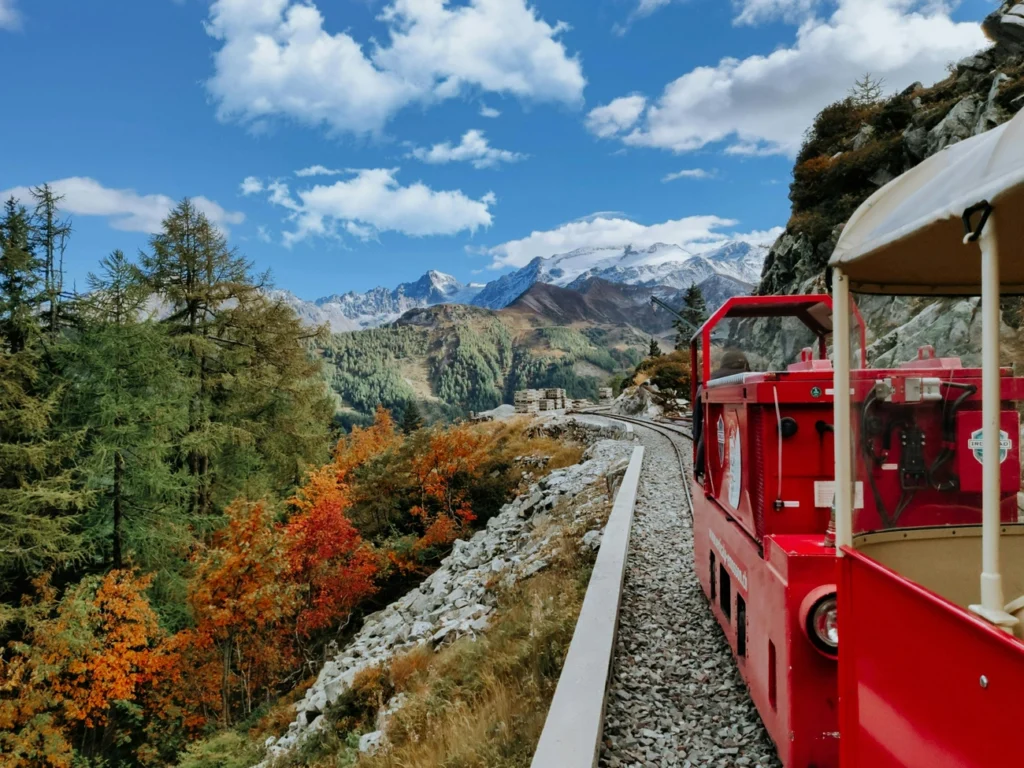
First-class train fares cost 50 percent more than second-class tickets. Booking ahead yields significant savings, though the numbers show full-price fares you’d pay on short notice. Many scenic trains require advance reservations, particularly panoramic cars on routes like the Bernina Express.
Time Considerations for Your Europe Itinerary 10 Days or More
High-speed trains often beat flying when factoring in airport security and transit time. Trains depart from city centers and bring you directly to your next destination. For a europe itinerary 10 days or longer, trains offer flexibility without airport delays. Regional trains take longer but provide more scenic countryside views.
Luggage and Comfort on Scenic Journeys
European trains impose no strict luggage limits for practical purposes as long as you can carry items yourself. Eurostar limits passengers to two large items with a maximum 85cm dimension, plus hand luggage. You take bags onto the train and store them on overhead racks or at car ends. Label your bags when traveling on Eurostar or French trains. Trains feature spacious seating and minimal security lines.
City Center Arrival Points and Connections
Train stations sit in city centers with direct access to local transit. Connections from train to bus, subway, or tram require simply crossing the street.
Conclusion
Scenic routes between European capitals transform travel time into memorable experiences that rival the destinations themselves. As can be seen from the routes above, the Danube cruise, vineyard-lined railways, and coastal journeys add depth to your trip without sacrificing efficiency. When you plan your 2 week europe trip around these connections, you create a journey where every transition becomes an adventure. Choose routes that match your interests, book transportation early, and prepare for landscapes that make the travel itself worthwhile.
FAQs
Q1. How long does the boat journey from Vienna to Bratislava take? The Twin City Liner catamaran completes the journey between Vienna and Bratislava in 75 minutes. This scenic route along the Danube River operates from May through September with four to five daily departures, and three to four times daily in April and October. The boat departs from Vienna’s city center and arrives directly in Bratislava’s city center.
Q2. What is the fastest train connection between Paris and Brussels? Eurostar high-speed trains connect Paris Gare du Nord to Brussels Midi in just 1 hour and 22 minutes, traveling at speeds up to 300 km/h. Fares start at €25 in Standard class, making it an affordable and efficient option for traveling between these two capitals.
Q3. How far in advance should I book train tickets for European travel? It’s recommended to book train tickets 2-4 months in advance, with some routes like Germany and Eurostar requiring up to six months advance booking. Early booking can save significant money, as last-minute prices can jump dramatically—for example, from €70 to €240 on some routes. High-speed trains frequently sell out, so advance planning is essential.
Q4. How many nights should I spend in major European capitals? Major capitals like Paris, London, or Rome warrant 5-6 nights to adequately experience their offerings, while most other cities need 3-4 nights. At minimum, plan for two full dawn-to-dusk days in each major capital to properly explore the city’s attractions and atmosphere.
Q5. Are there luggage restrictions on European trains? European trains generally have no strict luggage limits as long as you can carry your items yourself. Eurostar limits passengers to two large items with a maximum 85cm dimension, plus hand luggage. You take bags onto the train and store them on overhead racks or at the ends of train cars, and it’s recommended to label your bags when traveling on Eurostar or French trains.
People Also Read: What Are Anime Terms? Essential Japanese Words for Fans